Mexican Mimosa Hostilis Root Bark-Whole

Price range: $150.00 through $800.00
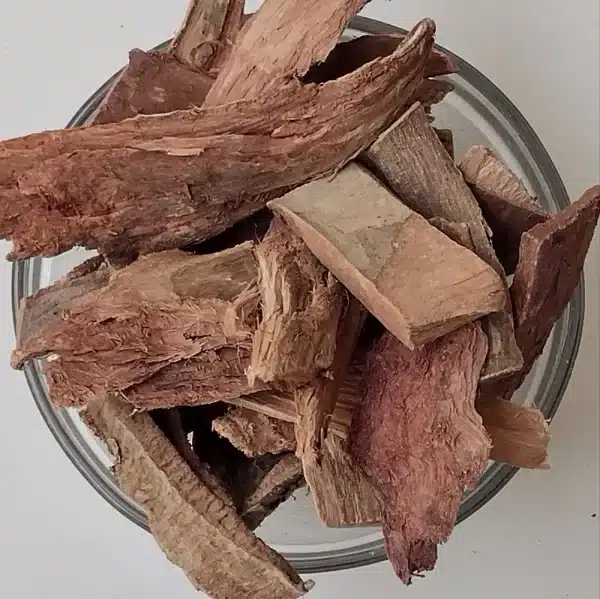
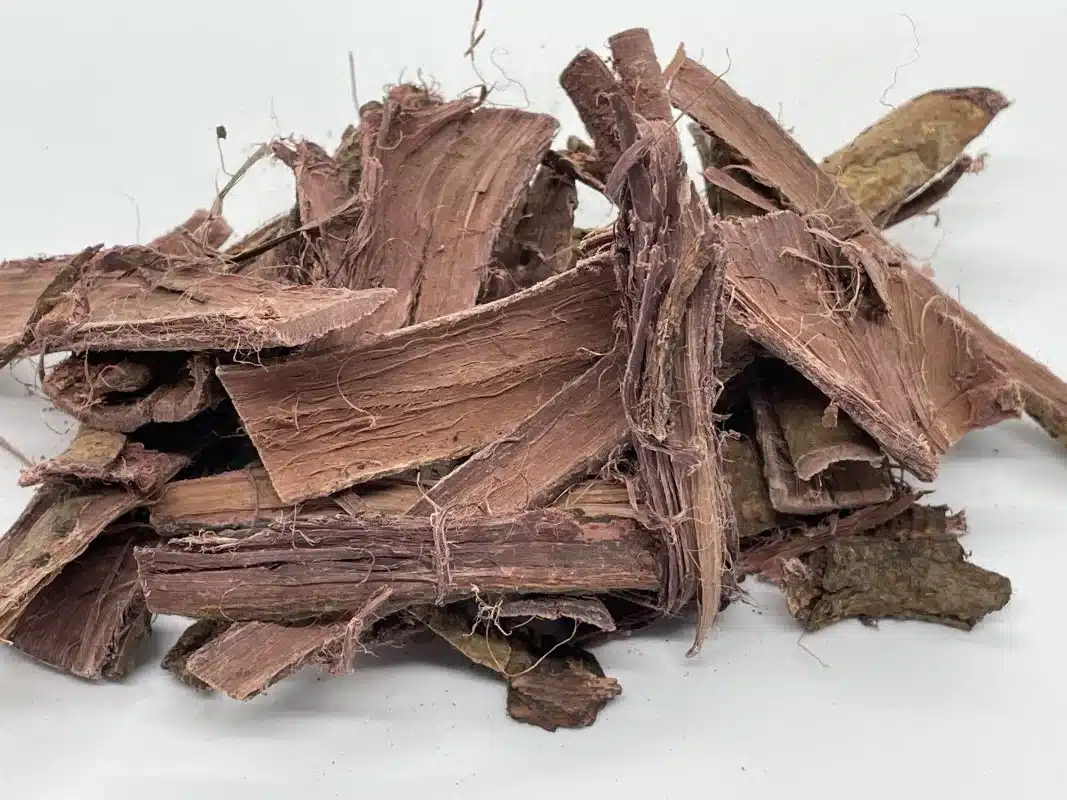
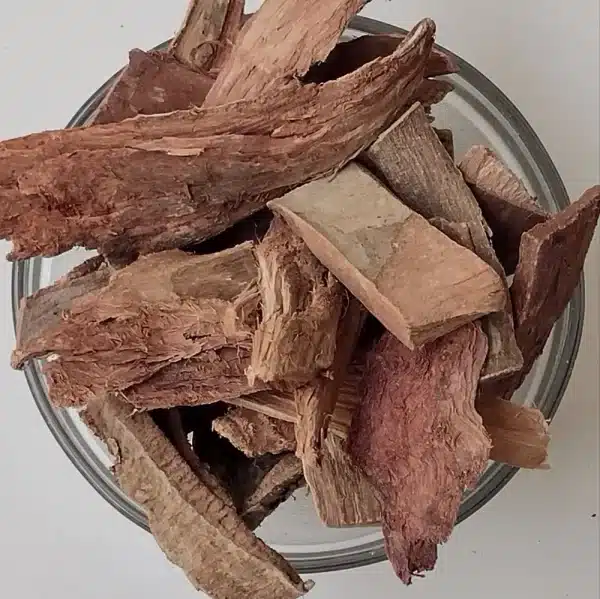
Our premium Mexican Mimosa Hostilis Root Bark (MHRB) is ethically sourced and carefully selected for quality. Known for its rich purple inner bark and high tannin content, this whole-root bark is perfect for natural dyes, traditional crafts, and botanical research. Sustainably harvested to preserve its potency and purity.
Mexican Mimosa Hostilis Root Bark Whole
Introduction to Mimosa Hostilis
Mimosa hostilis, also known as Mimosa tenuiflora or Tepezcohuite, is a perennial tree native to the northeastern regions of Brazil and parts of Mexico. The inner root bark of this plant has gained significant attention for its various applications, particularly in traditional medicine and natural products. The whole root bark is prized for its rich composition of bioactive compounds, making it a versatile ingredient in many practices.
Physical Characteristics
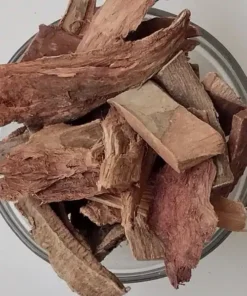
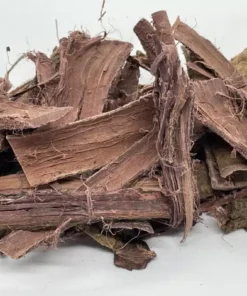
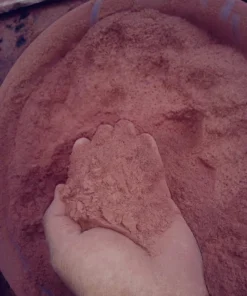
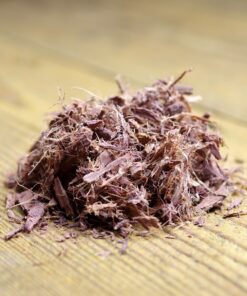
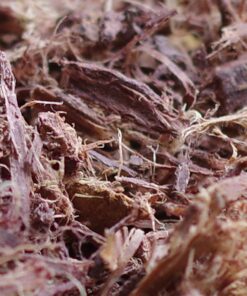
The whole inner root bark of Mimosa hostilis is characterized by its dark reddish-brown color with a yellow center. This dense and durable material has a high tannin content, which contributes to its strength and resistance to rot. The bark can be harvested sustainably, ensuring that the tree remains healthy while providing valuable resources.
Chemical Composition
Mimosa hostilis root bark contains an array of chemical compounds that contribute to its medicinal properties. It is rich in tannins, saponins, alkaloids, lipids, phytosterols, glucosides, and other beneficial substances. These components are responsible for the bark’s effectiveness in various applications such as wound healing and skin care.
Medicinal Uses
Traditionally, the inner root bark has been used by indigenous communities for its healing properties. It is commonly prepared as a tea or decoction to treat ailments such as coughs and bronchitis. Additionally, it has been noted for its potential effectiveness in treating venous leg ulcerations based on preliminary clinical studies. The aqueous extracts from this plant are widely utilized in skincare products due to their regenerative properties.
Culinary and Craft Applications
Beyond medicinal uses, whole Mimosa hostilis root bark serves multiple purposes in culinary and craft applications. Its robust tannin content makes it an excellent natural dye for textiles and other materials. Artisans often use the whole bark format to create vibrant colors without synthetic additives. Furthermore, DIY enthusiasts appreciate the versatility of the whole bark for crafting tinctures or salves.
Sustainable Harvesting Practices
Sustainability is crucial when harvesting Mimosa hostilis root bark. Responsible sourcing ensures that the ecological balance is maintained while allowing local communities to benefit from this resource. Sustainable practices involve careful harvesting techniques that do not harm the tree or its surrounding environment.
Storage and Preservation
To maintain the potency and freshness of whole Mimosa hostilis root bark, proper storage is essential. It should be kept in a cool, dry place away from direct sunlight to prevent degradation of its active compounds. When stored correctly, the shelf life of this product can be extended significantly.
Conclusion
In summary, Mexican Mimosa hostilis root bark whole offers a wealth of benefits ranging from medicinal uses to artisanal applications. Its rich chemical composition makes it a valuable resource that has been cherished by various cultures for centuries. As interest grows in natural remedies and sustainable practices, Mimosa hostilis continues to hold significance in both traditional and modern contexts.
| QUANTITY | 1KG, 2KG, 3KG, 4KG, 5KG, 10KG |
|---|
2 reviews for Mexican Mimosa Hostilis Root Bark-Whole
Add a review
Related products
Mexican Mimosa Bark
Mexican Mimosa Bark
Lana Montpellier –
“Everything arrived exactly as promised. Clean, well-processed root bark and excellent presentation. I felt confident ordering again after my first experience.”
Luna bassey –
“Very impressed with the overall experience. From ordering to delivery, everything went smoothly. This company clearly values its customers.”